 Proudly Serving West Michigan & Mid Michigan
 (616) 207-4097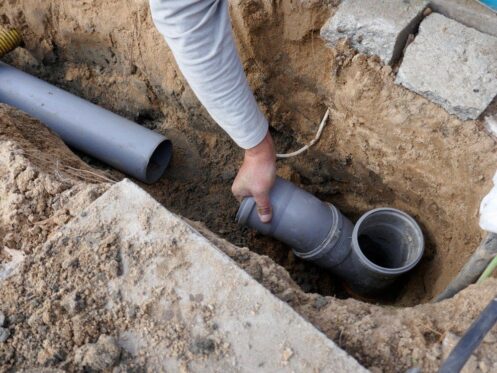
Your home’s plumbing system does a lot of work behind the scenes. Most of the time, wastewater moves through your pipes without much thought. When issues develop underground, main sewer line repair may become necessary to restore proper drainage and prevent costly damage.
Because sewer lines are hidden beneath your property, problems often start with subtle warning signs. Ignoring them can lead to sewage backups, damaged landscaping, foul odors and eventually, a complete sewer line replacement. Recognizing the early symptoms of trouble can help homeowners address issues before they become major disruptions.
What Is a Main Sewer Line?
Your main sewer line is the primary pipe that carries wastewater away from your home and into a municipal sewer system or septic system. Every drain in your house — sinks, showers, toilets, dishwashers and washing machines — eventually connects to this line.
When the main sewer line develops cracks, clogs, corrosion or other damage, multiple plumbing fixtures throughout the home may begin showing symptoms.
Multiple Drains Backing Up at the Same Time
An isolated clog in one sink or shower usually points to a localized plumbing issue. However, if several drains throughout your home back up simultaneously, it may indicate a problem deeper within the sewer system.
You may notice:
- Toilets bubbling when sinks drain
- Water backing up into tubs or showers
- Slow drainage in multiple fixtures
- Gurgling sounds coming from drains
These symptoms often suggest a blockage or damage requiring professional sewer line repair rather than a simple drain cleaning.
Persistent Sewer Odors Around Your Home
Your plumbing system is designed to contain unpleasant sewer gases. If you start noticing persistent odors indoors or outdoors, it could signal a damaged sewer line.
Common causes include:
- Cracked sewer pipes
- Loose pipe connections
- Tree root intrusion
- Sewer line deterioration
Unusual sewage smells shouldn’t be ignored. Besides being unpleasant, they may indicate damage that worsens over time without intervention.
Frequent Drain Clogs Keep Returning
Occasional clogs happen in most households. Repeated clogs affecting multiple fixtures are different.
If you find yourself repeatedly dealing with:
- Slow drains
- Toilet backups
- Frequent plunging
- Recurring drain cleaning needs
The issue may stem from your main sewer line rather than individual fixtures. Professional inspections can identify whether debris buildup, root intrusion, ice damage or corrosion is causing the recurring problem.
Unusually Green or Wet Areas in Your Yard
Your lawn can sometimes reveal hidden sewer issues before indoor plumbing symptoms appear.
Watch for:
- Patches of grass that appear greener than surrounding areas
- Soggy or sunken spots in the yard
- Unexpected standing water
- Strong odors near wet areas
Leaking wastewater can act as fertilizer, causing vegetation above damaged pipes to grow rapidly. Wet areas may indicate underground leaks requiring immediate attention.
Rodent or Insect Activity Has Increased
Damaged sewer lines can create entry points for pests seeking water or shelter. An increase in rodents, insects or other unwanted visitors may point to sewer problems.
Cracks in underground pipes may provide pathways that give pests closer access to your home, especially during summer, when they may be looking for water. Pest activity alone doesn’t confirm sewer damage, but it can be a warning sign.
You Hear Gurgling Sounds From Toilets or Drains
Strange noises from your bathroom plumbing fixtures often indicate airflow disruptions caused by blockages or damaged pipes.
You might hear:
- Gurgling toilets after flushing
- Bubbling noises from sinks
- Sounds coming from drains when appliances discharge water
These noises may suggest developing sewer line problems that warrant professional evaluation.
Foundation Cracks or Structural Changes Appear
Severe sewer leaks can sometimes affect soil stability beneath a home. Over time, this may contribute to:
- Foundation cracks
- Uneven flooring
- Wall cracks
- Settlement issues
While many factors can influence foundation movement, sewer leaks are one possible contributor.
Tree Roots May Be Invading Your Sewer Line
Tree roots naturally seek moisture sources underground. Small cracks in sewer pipes can attract roots, which may continue growing into the line and create significant blockages. Root intrusion is one of the more common causes of main sewer line repair needs in older homes. Professional equipment can identify root intrusion and determine whether repairs, cleaning or partial sewer line replacement may be necessary.
Modern Repairs May Include Trenchless Sewer Line Repair
Many homeowners worry that repairing a sewer line means extensive digging and major landscape disruption. In some situations, trenchless sewer line repair offers an alternative.
Depending on pipe condition and damage severity, trenchless methods may:
- Minimize excavation
- Reduce landscaping disruption
- Shorten repair timelines
- Restore pipe function efficiently
However, not every sewer problem qualifies for trenchless solutions. A professional inspection helps determine the most appropriate repair method.
When Sewer Line Damage Requires Replacement Instead of Repair
Not every damaged sewer line can be repaired. Severe corrosion, pipe collapse or extensive deterioration may require full sewer line replacement.
Factors influencing repair versus replacement include:
- Age of the pipe
- Material type
- Extent of damage
- Frequency of recurring problems
- Cost-effectiveness of repairs
A trusted technician can assess your system and recommend the most practical long-term solution.
Why Professional Sewer Repair Matters
Sewer issues are rarely problems homeowners want to diagnose alone. Specialized cameras, diagnostic tools and repair equipment help professionals identify hidden damage accurately. Working with an experienced sewer repair service can help uncover the root cause of problems rather than temporarily addressing symptoms.
Early intervention may reduce the risk of:
- Major backups
- Water damage
- Property disruption
- More expensive future repairs
Don’t Ignore Early Warning Signs
Problems with your sewer system often start quietly before becoming serious emergencies. Paying attention to recurring clogs, unusual odors, wet yard areas or multiple slow drains may help you catch issues before they escalate.
When warning signs appear, scheduling a professional inspection can determine whether you need main sewer line repair, targeted sewer line repair, trenchless sewer line repair or a complete sewer line replacement. Identifying problems early is often the best way to protect your plumbing system and your home.