 Proudly Serving West Michigan & Mid Michigan
 (616) 207-4097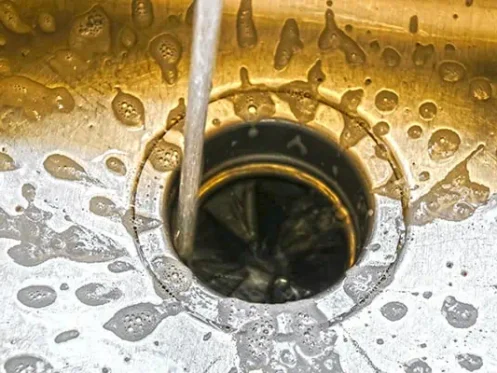
A garbage disposal makes kitchen cleanup easier, but it can quickly become unpleasant when a foul odor starts coming from the sink. Food residue, grease and other debris can collect inside the disposal or drain, creating smells that linger even after the unit has been rinsed. In other cases, an odor that seems to come from the disposal may actually point to a clogged drain or another plumbing problem.
If your garbage disposal stinks, the right fix depends on what is causing the smell. Cleaning the parts where food collects can often solve a mild odor, while persistent sewage-like smells may require a closer look at the drain system.
Why Does My Garbage Disposal Stink?
Small food particles can remain inside the disposal, especially around the splash guard and other areas that are difficult to see.
Common causes of garbage disposal odors include:
- Food residue trapped under the splash guard
- Grease or oily buildup inside the disposal or drain
- Food waste that was not fully flushed away
- A slow or partially clogged kitchen drain
- Debris lodged farther down the drain line
- A plumbing issue allowing sewer odors to reach the sink
Food Residue Inside the Disposal
The rubber splash guard at the drain opening is one of the easiest places for grime to collect. Its underside can hold food particles and greasy residue even when the visible side looks clean. Over time, bacteria break down that material and create a sour or rotten smell.
Cleaning the Splash Guard
Turn the disposal off before cleaning around the opening. For additional safety, disconnect power to the disposal according to the manufacturer’s instructions before reaching near the splash guard.
Lift the rubber flaps and clean both sides with warm, soapy water and a brush or cloth. Do not put your hand into the grinding chamber. Cleaning this overlooked area can make a noticeable difference when the odor is coming from food residue near the top of the disposal.
Rinsing the Disposal Thoroughly
After the splash guard is clean and the disposal is ready to operate, run cold water and turn the unit on. Let the water continue flowing for a short period after the food waste has cleared. This helps move remaining particles through the disposal and into the drain line.
Grease and Food Buildup in the Drain
Grease, oil, starches and food particles can accumulate in the kitchen drain and create a coating that traps additional debris. Pouring more grease down the disposal can make the problem worse. Even if grease enters the drain as a liquid, it can cool and cling to the inside of the pipe. Coffee grounds, fibrous vegetables, pasta, rice and other materials can also contribute to clogs or buildup.
If the sink drains slowly or frequently backs up, professional drain cleaning may be more useful than repeatedly cleaning the disposal itself.
Garbage Disposal Smells Like Sewage: Could It Be the Drain?
A garbage disposal that smells like sewage deserves extra attention. A strong sewer-like odor may mean the source is farther down the plumbing system rather than food stuck in the grinding chamber.
A partial kitchen drain clog can trap decaying material and create an odor that rises through the sink. If several drains in the home smell bad, gurgle or drain slowly, the issue may involve a larger portion of the drain or sewer system.
A plumber can determine whether the smell is coming from the disposal, a clogged drain or another part of the system.
How to Deodorize a Garbage Disposal
If the disposal is operating normally and the sink drains freely, basic cleaning is often enough to deodorize the garbage disposal.
Try these steps:
- Turn off power before cleaning the splash guard or working near the opening
- Scrub both sides of the splash guard with warm water and dish soap
- Restore power, run cold water and operate the disposal to flush away loosened residue
- Continue the cold water briefly after switching the disposal off
- Repeat regular cleaning before heavy buildup and odors have time to develop
What Not to Put in Your Garbage Disposal
Good disposal habits can help prevent odors and clogs. Avoid sending large amounts of grease, oil or fat down the drain. Coffee grounds, eggshells, pasta, rice, bread and fibrous vegetables can also collect in the disposal or pipes.
Non-food items should never go into the unit. Never reach into the disposal to retrieve an object.
When to Call a Plumber for a Smelly Garbage Disposal
Cleaning may solve an ordinary food odor, but some symptoms point to a plumbing or disposal problem that needs professional service. Schedule help if:
- The sewage smell keeps returning
- The sink drains slowly or backs up
- The disposal leaks
- The unit hums but does not grind
- The disposal will not turn on
- Multiple drains have foul odors or drainage problems
Service Professor offers garbage disposal repair and replacement along with plumbing services. A plumber can inspect the disposal and drain, identify the source of the odor and recommend the appropriate repair.
Contact Service Professor for Garbage Disposal and Drain Service
When a garbage disposal stinks, trapped food and grease are common causes, but a sewage-like odor can signal a drain problem that cleaning alone will not solve. Addressing the source of the smell helps keep the kitchen more comfortable and may prevent a developing clog from getting worse.
If the odor persists, the disposal is not working correctly or the kitchen drain is slow, contact Service Professor today. We can find the source of the problem and help get your sink and disposal working properly again.