
 Proudly Serving West Michigan & Mid Michigan
 (616) 207-4097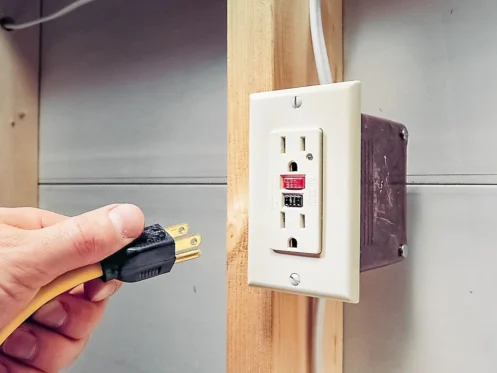
Outdoor outlets make it easy to power patio lights, tools, holiday decorations and other equipment, but they also face conditions that indoor receptacles do not. If an outdoor outlet suddenly stops working, the GFCI may simply need to be reset, or the problem may point to a worn outlet, moisture intrusion or another electrical issue.
So, do GFCI outlets go bad? Yes. Like other electrical devices, ground-fault circuit interrupter outlets can wear out or fail over time. Understanding the common warning signs and a few safe troubleshooting steps can help you decide whether the outlet needs a reset, further inspection or professional replacement.
Do GFCI Outlets Go Bad?
A GFCI outlet constantly monitors the electrical current flowing through a circuit. If it detects an imbalance that could indicate current is taking an unintended path, it shuts off power quickly. The internal components that make this protection possible do not last forever. Age, repeated tripping, moisture, corrosion, loose connections and electrical surges can all contribute to failure.
A GFCI that will not reset, trips repeatedly with nothing plugged in or feels loose or damaged may need professional attention. Service Professor provides outlet repair and replacement when a receptacle is no longer working as it should.
Why an Outdoor GFCI Outlet Stops Working
If you have an outdoor outlet not working, the receptacle itself is only one possible cause. Common reasons include:
- The GFCI has tripped
- A circuit breaker has tripped
- Another GFCI farther upstream has tripped
- Moisture has entered the outlet box
- A plugged-in device has a ground fault
- Wiring or connections have loosened or deteriorated
- The GFCI outlet has reached the end of its service life
Moisture and Weather Exposure
Outdoor receptacles are built for harsher conditions, but damaged covers, aging seals or repeated exposure to moisture can still create problems. Water inside an outlet box may cause the GFCI to trip and should be taken seriously. If an outlet is wet, discolored, corroded or surrounded by signs of water intrusion, avoid using it until an electrician has inspected it.
A Tripped Breaker or Upstream GFCI
Sometimes the outlet that appears dead is not the device that interrupted power. Several exterior, garage, basement or bathroom outlets may share a circuit, and one GFCI can protect receptacles farther downstream. A tripped circuit breaker can also shut off the entire circuit.
How to Troubleshoot an Outdoor Outlet Not Working
There are a few checks homeowners can perform without removing the outlet or touching wiring.
Start by unplugging anything connected to the outlet. Press the RESET button firmly. If it stays in place and power returns, plug devices back in one at a time. If the GFCI trips when a particular tool or appliance is connected, that device may be the problem.
If the GFCI will not reset, check the electrical panel for a tripped breaker. A breaker may sit between the ON and OFF positions when it trips. If you know which breaker serves the outlet, reset it once according to the panel instructions.
You can also check other GFCI outlets around the home. A tripped receptacle in the garage, basement or another exterior location may be protecting the outlet that has stopped working.
Stop troubleshooting and schedule electrical repairs if the outlet is hot, scorched, cracked, buzzing, wet or repeatedly trips. Do not remove the cover plate or attempt wiring work unless you are qualified to work safely on the circuit.
Understanding GFCI Outlet Wiring: Line vs. Load
When replacing an outdoor GFCI outlet, correct wiring matters. One of the most important distinctions is GFCI outlet wiring line vs. load.
The LINE terminals receive incoming power from the electrical panel. The LOAD terminals can be used to extend GFCI protection to other receptacles farther along the same circuit. Because the two sets of terminals serve different purposes, mixing them up can prevent a GFCI from operating or resetting correctly.
This is one reason replacing outdoor GFCI outlet equipment is more involved than simply matching wire colors and tightening screws. An electrician can identify the incoming and downstream conductors, confirm grounding and polarity, test the finished installation and make sure the outdoor receptacle and cover are appropriate for the location.
When Replacing an Outdoor GFCI Outlet Makes Sense
A reset may solve an occasional trip, but replacement may be the better option when the outlet:
- Will not reset even after the breaker and connected devices are checked
- No longer trips when the TEST button is pressed
- Trips repeatedly without an obvious appliance problem
- Shows corrosion, cracking or heat damage
- Has loose plug connections
- Has been exposed to significant moisture
Why Professional GFCI Replacement Matters
Outdoor electrical work combines electricity with possible moisture exposure, so proper diagnosis matters. The problem could be the receptacle, but it could also involve the circuit, wiring, breaker or another GFCI. Replacing the visible outlet without finding the underlying cause may leave the problem unresolved.
Our electricians can identify why the outlet stopped working, replace damaged components and test the circuit before putting it back into service.
Contact Service Professor for Outdoor GFCI Outlet Service
GFCI outlets can go bad, but a failed receptacle is not the only reason an outdoor outlet may lose power. A tripped breaker, upstream GFCI, faulty device, moisture problem or wiring issue can produce similar symptoms.
If your outdoor GFCI will not reset, keeps tripping or shows signs of damage, Service Professor can help. Contact us today to schedule service and get the outlet working safely again.