
 Proudly Serving West Michigan & Mid Michigan
 (616) 207-4097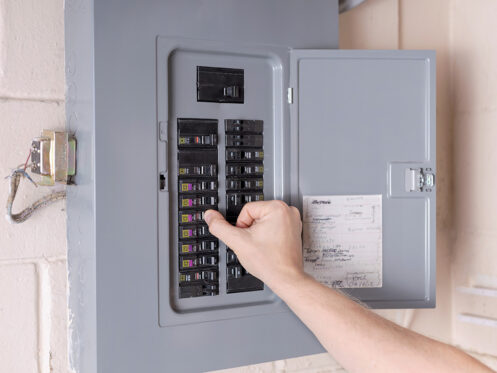
On a hot Michigan day, you expect your air conditioner to start up and bring the temperature down. If the system turns on and the power suddenly cuts out, however, the problem can be both uncomfortable and concerning. A circuit breaker that keeps tripping is protecting the electrical system from an unsafe current, so repeatedly resetting it is not a lasting solution.
The cause may be as simple as restricted airflow, but it can also involve damaged wiring, a failing component or a problem with the breaker itself. At Service Professor, our HVAC technicians and electricians can identify the source of the trip and recommend the right air conditioning repair or electrical service.
Why Does My Circuit Breaker Keep Tripping When the AC Starts?
An air conditioner draws more electricity for a brief moment when the compressor starts. A properly sized circuit and a healthy AC system should handle that demand. When the current rises beyond a safe level, the breaker trips to stop the flow of electricity and reduce the risk of overheated wiring or equipment damage.
The most common reasons an AC breaker trips include:
- A dirty air filter or blocked airflow
- A weak or worn circuit breaker
- A failing capacitor, fan motor or compressor
- Loose, damaged or overheated wiring
- A dirty outdoor coil that makes the system work harder
- A circuit that is overloaded or not properly sized
Restricted Airflow Is Making the AC Overwork
Your air conditioner relies on steady airflow to move heat out of the home. A heavily clogged filter, blocked return vent or dirty evaporator coil can reduce that airflow. The system may run longer, build excess heat and draw more power than expected. In some cases, the added strain is enough to cause a tripped circuit breaker.
What You Can Check Safely
Turn the thermostat off and check the air filter. If it is dirty, replace it with the correct size and type. Make sure supply and return vents are open and not covered by furniture, rugs or curtains. These simple checks can improve airflow, but they will not correct an electrical or mechanical failure.
Routine AC maintenance can help keep filters, coils, motors and electrical connections from becoming a surprise during the first major heat wave.
The Circuit Breaker Is Weak or Damaged
Breakers wear down over time, especially after repeated trips or years of heavy use. A weak breaker may trip even when the air conditioner is operating within its normal electrical range. You may also notice that the breaker feels unusually warm, will not stay in the ON position or makes a buzzing sound.
A licensed electrician can test the circuit and determine whether you need circuit breaker repairs, replacement or a broader panel upgrade. Replacing the breaker with a higher-amperage model without confirming the wiring and equipment requirements is unsafe and can remove an important layer of protection.
An AC Component Is Drawing Too Much Power
The compressor, condenser fan motor and capacitor all help the outdoor unit start and operate. If one of these components begins to fail, the AC may pull excessive current. The breaker might trip immediately when the unit starts, after a few minutes of operation or only during the hottest part of the day.
Signs the AC Itself May Be the Problem
Schedule service if you notice any of these symptoms along with repeated breaker trips:
- The outdoor unit hums but the fan does not start
- The AC starts slowly or shuts off unexpectedly
- Warm air comes from the vents
- The unit makes grinding, buzzing or clicking noises
- There is a burning smell near the equipment or panel
A technician can measure the electrical draw, inspect the capacitor and motors and check whether the compressor is approaching failure. Prompt service may prevent a smaller component problem from causing more extensive damage.
Damaged Wiring or an Overloaded Circuit
Loose terminals, deteriorated insulation and overheated connections can create resistance and increase the current on the circuit. Older electrical panels may also be poorly matched to the demands of modern cooling equipment. These conditions require professional testing because the danger is often hidden behind the panel cover or inside the equipment.
Service Professor provides professional electrical repair to locate unsafe connections, confirm that the AC has the correct dedicated circuit and make repairs that meet the needs of the system.
What to Do After the AC Breaker Trips
Turn the thermostat off before resetting the breaker. Reset it once by moving it fully to OFF and then back to ON. If it trips again when the AC starts, leave it off and schedule service. Do not keep resetting it, tape it in place or attempt to work inside the electrical panel.
Call for prompt help if there is smoke, sparking, a burning odor, visible wire damage or unusual heat around the panel. These signs can indicate an electrical hazard. You should also arrange emergency AC unit repair when extreme indoor heat could put children, older adults, pets or anyone with a health condition at risk.
Schedule AC and Circuit Breaker Service With Service Professor
A circuit breaker keeps tripping because something is creating an electrical demand or fault that the system should not ignore. Whether the cause is a dirty coil, a worn breaker or a failing compressor, our team can diagnose the problem and help restore dependable cooling. Contact Service Professor to schedule AC or circuit breaker service in West and Mid-Michigan.