 Proudly Serving West Michigan & Mid Michigan
 (616) 207-4097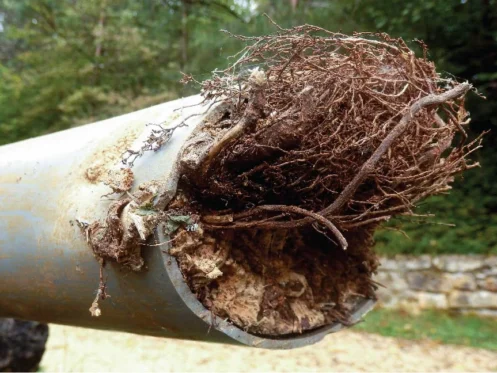
If your toilet’s making gurgling sounds and you’re noticing other symptoms of a clogged sewer line, you have to act fast. You may need to call a plumber for sewer line root removal. Blocked sewer lines never go away on their own, and they get worse the longer you leave them.
Keep reading to discover four major warning signs of a blocked main sewer line and learn how to fix the problem before it turns into a cash-draining disaster.
4 Main Sewer Line Clogged Symptoms
A blocked main sewer line is a plumbing emergency. This large pipe carries wastewater from your home to the public sewer. When it fails, your entire system is compromised. If you don’t get it fixed quickly, you could have raw sewage backing up in your home and yard.
If you’ve seen these symptoms of a clogged main sewer line, it’s time to call a plumber.
1. More Than One Clogged Drain
More than one clogged drain suggests a serious blockage, and you may need to call a plumber for sewer line root removal. Downstairs areas, such as basement bathrooms and ground floor showers, are usually the first places you’ll notice the drains struggling.
2. Toilet Bubbles When the Sink Runs
If the toilet bubbles when you drain the sink, you could be hearing trapped air escaping backward through the water in your toilet bowl because the sewer line is blocked.
3. Standing Sewage in Your Yard
Main sewer lines typically run underground beneath the front lawn and into the main street. Severe blockages can push raw sewage through cracks or joints in the pipe and up through the surrounding soil. Soggy sinkholes and sewage in your yard require professional help.
4. Smells From the Drains
When pipes work properly, built-in water traps keep nasty smells away from your family’s noses. Clogged main sewer lines leave blocked waste in the pipe rotting, causing pressurized gas to build up. Because it has nowhere to go, it’s forced out into the inside air, causing bad smells around your shower drains and bathroom sinks.
What Is Sewer Line Root Removal?
Sewer line root removal involves cutting away the invasive tree roots that have grown into your main underground pipe. We typically use a specialized mechanical auger equipped with a rotating steel cutting blade to chop up the roots blocking the water flow.
Our plumbers typically follow up by sending a high-pressure water jetter down the pipe to scour the internal walls and flush out any remaining debris. The process successfully clears the immediate blockage and restores normal wastewater flow. Always trust a trained professional to handle this job because using heavy plumbing machinery without experience can permanently damage your fragile pipes.
Is the Problem Definitely Root Damage?
Root damage is just one possible cause for a backed-up main line. Your primary pipe can easily clog if someone flushes heavy paper towels, kitty litter, feminine hygiene products or thick flushable wipes. Pouring hot cooking grease down the kitchen sink also causes blockages because the liquid fat eventually cools and hardens deep underground.
Older metal and clay pipes can sink into soft soil, creating a low spot that slowly collects solid waste. Professional plumbers take all the guesswork out of the diagnosis by running a waterproof video camera down the drain to show you exactly what’s blocking your line before anyone starts digging.
Should You Try Chemical Root Treatments?
We don’t recommend pouring harsh chemical root killers down your drains to fix a severe sewer line blockage. Chemical treatments take several weeks to kill roots and depend on flowing water to carry the poison down to the problem area. Completely blocked pipes trap those toxic acids, causing the chemicals to eat away at older metal pipes and create permanent structural damage.
Pouring heavy chemicals down the drain also poses severe burn risks to the professional plumber who eventually has to open your pipes to fix the original problem. Mechanical cutting remains the only reliable and safe way to clear an active root blockage.
Can You Stop Sewer Line Root Intrusion?
You can successfully prevent tree roots from entering your sewer line by sealing the pipe completely from the inside. Plumbers stop future root growth by installing a seamless trenchless pipe liner inside your existing damaged pipe.
When they do this, heavy-duty epoxy resin hardens, creating a completely smooth new pipe with no joints or tiny cracks for roots to exploit. Smart landscaping choices also play a major role in preventing underground pipe damage. Relocating fast-growing trees away from your underground utility lines goes a long way toward protecting your plumbing in the long term.
Sewer Line Root Removal FAQs
Will Root Removal Kill My Tree?
Trimming invasive roots out of a sewer pipe rarely kills an established tree. Plumbers only remove the small feeder roots that physically squeeze through tiny cracks in the pipe to access the water inside. The tree still relies on its massive primary root system to gather water and vital nutrients safely from the rest of your yard.
Why Do Tree Roots Like Sewer Lines?
Tree roots actively seek out consistent moisture and warm, fertile soil to survive the changing seasons. Your main sewer line carries a constant supply of warm water packed with rich organic nutrients that plants absolutely love. Even a microscopic crack in an old clay pipe releases enough water vapor to attract thirsty tree roots from several yards away.