
 Proudly Serving West Michigan & Mid Michigan
 (616) 207-4097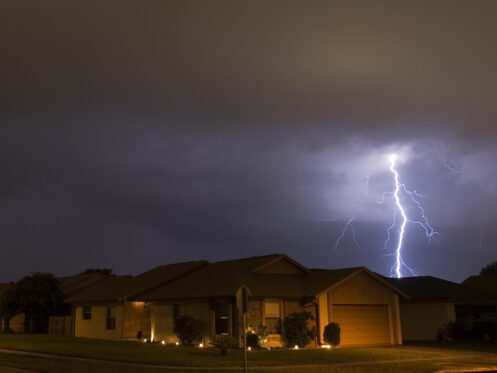
Power surges are a highly common occurrence in homes. While you can’t stop every surge from happening, you can prevent them from causing damage to your property and belongings. Here’s everything you need to know about winter‑related surges and how to protect your property when temperatures drop.
Understanding Power Surges
Electricity, at its core, is the movement of electrons. To move electrons through wires and circuits, electrical systems rely on voltage. Voltage is the pressure that pushes electricity from one point to another. Think of it as a water pump, but in this case, an electricity pump.
Under normal conditions, voltage stays within a controlled, stable range. Too much of it means excess electrical pressure is being forced through the system. Low voltage means your devices aren’t getting the power they need.
A power surge occurs when there’s a sudden spike in voltage. In other words, an abrupt, intense push of electricity comes that exceeds what your home’s wiring and devices are designed to handle.
Why Do Power Surges Occur?
There are many reasons why the voltage would suddenly spike in your home during winter. The common ones include the following:
Winter Storms
High winds, ice, snow, and heavy winter rain frequently compromise the integrity of power lines. Ice buildup, for example, adds significant weight, causing lines to sag, strain, and eventually snap. This stress can lead to momentary faults, outages, or sudden shifts in electrical load, all of which can trigger power surges.
Also, winter storms often cause power outages. When the utility restores power, the abrupt re‑energizing of the grid often produces a strong surge that travels directly into nearby homes.
Even the occasional “thundersnow,” where thunder and lightning occur during snowfall, can cause power surges. A single lightning strike can inject thousands of volts into the electrical grid, creating an immediate and severe surge that travels through power lines and into homes.
Grid Strain
Michigan winters are notoriously harsh. Nearly every home is running some form of heating system around the clock. Add on holiday lights, electric decorations, and the increased use of appliances during the colder months, and the overall demand on the electrical grid rises sharply. When thousands of households are drawing heavily from the grid at the same time, the system becomes stressed. Voltage can fluctuate as the grid works to balance supply and demand, and these fluctuations often show up as small but frequent surges.
Cold Temperatures
Extreme cold significantly affects the flow of electricity on the grid. Freezing temperatures increase resistance in wires, strain components, and reduce the efficiency of transformers and other equipment.
As resistance rises, the grid must push harder to deliver the same amount of power, which results in instability. This instability creates voltage swings, hence power surges.
Large Appliances Cycling
Many wintertime surges originate from within the home. Motors in furnaces, well pumps, water heaters, and refrigerators work harder in low temperatures, drawing more power upon startup and during operation. When several high‑demand appliances activate or run simultaneously, the sudden increase in electrical load can cause brief spikes in voltage.
As homes age, the impact of internal surges becomes even more noticeable. Older wiring, outdated breaker panels, and worn electrical components are less capable of absorbing sudden changes in voltage. Therefore, the impact will be more significant.
Improper Generator Use
During winter outages, many homeowners rely on portable generators. When these generators are connected without a proper transfer switch, they can send power back into the grid. This phenomenon is called a backfeed. Backfeeds can create severe surges that damage your home’s electrical system and may even create a fire hazard.
Impact of Power Surges
That sudden, split-second surge in voltage can be very detrimental. A strong enough surge can completely destroy an electronic device in an instant. Every appliance, system, and piece of technology in your home is built with circuitry that is carefully engineered to operate within a specific voltage range. This precision engineering is vital not just for function but also for safety and reliability. When a surge forces more electricity into a circuit than it was designed to handle, the excess energy can damage it.
Circuit boards are the most vulnerable. They contain tiny pathways and microprocessors that can burn out when exposed to even a brief spike in voltage.
Larger appliances are not immune either. Furnaces, refrigerators, water heaters, and well pumps all contain electronic control boards that are just as sensitive as those found in computers or televisions. Recurring power surges can cause electronic rust, reduced lifespan, and equipment breakdown.
Surges can also degrade wiring insulation, weaken breakers, and reduce the lifespan of outlets and switches. In worst‑case scenarios, they can even contribute to electrical fires by overheating components or damaging protective devices that are meant to prevent overloads.
How To Prevent Power Surges
Preventing damage caused by power surges will depend on your goal. For example, if you want to protect your entire property, you’ll need a whole-home surge protector.
A whole‑home surge protector is a device installed at your main electrical panel. It acts like a filter, allowing only safe levels of electrical current to run through your home circuits while blocking or diverting excess voltage. It protects all devices, even from their own electrical irregularities. For instance, if your furnace draws in more current than it should, the surge protector will cut power immediately before it reaches the furnace.
Proper grounding is another essential part of surge prevention. If your home’s grounding system is outdated or compromised, excess voltage has nowhere safe to go. Consider consulting with a licensed electrician to test your grounding and make improvements if necessary before installing a surge protector.
Contact Service Professor for More Information
Power surges are a hidden threat that you must protect your home and electronics from. You can never tell when it will strike, but when it does, the damage can be extensive and costly. This is why protection is crucial. Reach out to Service Professor for expert surge protection solutions tailored to your specific needs. We are a reputable electrical company with more than 40 years of industry experience and recognitions such as an A+ rating with the BBB, West Michigan’s Best & Brightest Companies to Work For 2020, and HomeAdvisor Top Rated.
Call Service Professor today for surge protection solutions in West Michigan.