
 Proudly Serving West Michigan & Mid Michigan
 (616) 207-4097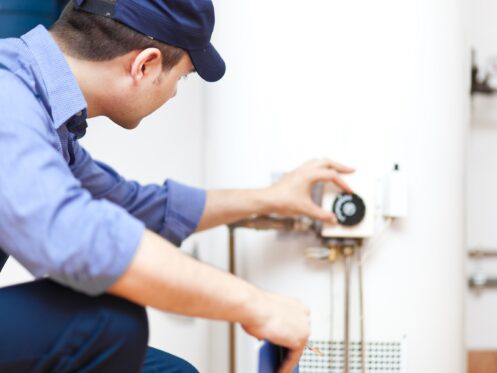
Subzero temperatures are common in West Michigan, as are lake-effect snow and strong winds. As you head indoors to find comfort and safety, your water heater is an important appliance in your home. Whether you want to take a warm bath or need to wash dishes, your water heater may be working overtime this winter. Our team here at Service Professor has some water heater maintenance tips that can ensure efficiency and reliability all winter long.
The Impact of Cold Weather on Water Heaters
There are several ways cold weather can impact your water heater. Extreme temperatures that often drop below zero can increase your risk of frozen pipes. You may also experience heat loss from your water heater, which results in your unit running more frequently. This can raise your utility bills each month and lead to equipment strain.
Snow and cold temperatures can block vents that are part of your tankless or hybrid heat pump water heater. Proper insulation in your home and around your key plumbing areas is important.
If you experience a power outage during a winter storm, this can cease operation of your water heater. You may also be at a higher risk of pipes freezing as your interior temperature starts to drop.
The Importance of Professional Maintenance
We advise that you schedule a routine inspection and maintenance for your water heater once each year. Ideally, this appointment should take place before winter arrives. We will inspect various components, such as valves, thermostats, heating elements, and anode rods. Our goal is to spot problems early before your water heater fails. Routine maintenance can protect your water heater and plumbing system from freeze-related damage.
Over time, mineral deposits and sediment can accumulate in your water heater and on interior components. This can decrease efficiency and shorten equipment life. We can drain and flush your tank to remove these accumulations. This is where an inspection of your anode rod is important. This rod is a sacrificial part that collects minerals and sediment so they cannot damage the inside of your tank. Accumulations can also decrease the capacity of your tank over time.
If you have a hybrid heat pump water heater, we will verify its refrigerant charge prior to the start of winter. This prevents any interruptions in water heater function. We will also inspect evaporator coils and compressor operations to ensure reliability and efficiency.
Tankless water heaters benefit from a descaling process that removes mineral deposits and other debris. This protects the integrity of your water heater but also the quality of your water.
Checking the Temperature and Pressure Relief Valve
The TPR valve on your water heater is necessary for the prevention of pressure buildup. We will check this valve before the hot water demands of winter arrive. Lifting the TPR valve lever should allow a rush of air or water to come out. Releasing the lever should stop this flow immediately if everything is working as it should. We can replace or repair a valve that isn’t sealing properly to prevent tank rupture or water leaks.
Water Heater Thermostat Settings
You may need to adjust the settings on your water heater before winter is in full swing. The recommended temperature for most households is 120 degrees Fahrenheit. You may need to increase this setting by a few degrees if you are experiencing very cold water coming into your home and water heater. If you have a large family, you may need a higher setting for faster recovery times.
We can check your water to ensure the temperature inside your tank coincides with your settings. If there is a large discrepancy, you may need to have your water heater thermostat replaced. Not only is a properly functioning thermostat important for comfort, but it can also protect against someone in your home getting scalded by hot water or experiencing energy loss.
Upgrading Water Heater and Plumbing Insulation
Even brand-new water heaters will experience heat loss in the winter, especially if their locations are in a cold basement. Adding insulation around your water heater and pipes can help with heat retention. Foam sleeves fit snugly over pipes, and a tank blanket wraps around your water heater like a jacket. When installed properly, these items can reduce heat loss by as much as 25%.
Protecting Against Frozen Pipes
Freezing temperatures can lead to pipes and fittings freezing. This is especially common when your water heater is in your laundry room, basement, or attic. Heat cable or heat tape can be installed on high-risk areas of your plumbing system, protecting pipes from freezing. This also protects your water heater from issues related to very cold water or the presence of ice. It’s best to have a professional install these products to avoid the risk of fire.
Make sure you seal any areas around your home that are allowing cold air inside. This includes around your foundation, windows, and doors. Products to use include spray foam, weatherstripping, and caulk.
Always keep your home at 50 degrees Fahrenheit or higher. Ensure airflow around your water heater to prevent components from freezing.
Preparing for Vacations or Vacancy
If you’re going to be leaving your home empty for an extended period, you’ll need to address your water heater before doing so. Draining your water heater and shutting off the supply valves will protect the tank and its components. Be sure to shut the gas valve or turn off the breaker to power your heater down. Finally, opening a few faucets in your home and the TPR valve on your water heater will allow residual water to drain out. These steps help prevent damage when you come back to your home.
Addressing Loss of Power
If the power goes out during a storm, a backup generator can allow you to continue using your electric water heater. A professional can help you determine the type and size of generator that you need. The installation of a transfer switch will allow for a fast transition from one power source to another.
Consider Water Heater Efficiency
If your current water heater is more than 10 years old, it may not be functioning efficiently anymore. We can help you replace it with a model that has an ENERGY STAR rating. This can reduce your energy use by as much as 30%. Gas-condensing water heaters can boost efficiency by up to 96%. You can also utilize the benefits of smart technology to monitor energy use and schedule heating cycles to improve efficiency.
If you would like assistance with routine inspections and maintenance for your hot water heater, Service Professor plumbers are here to help. We can also assist with the process of installing a new water heater prior to the start of winter. Our goal is to ensure that you and your family are safe and have access to hot water all winter long. If you live in the West Michigan area, reach out to our team at Service Professor today to schedule an appointment.