
 Proudly Serving West Michigan & Mid Michigan
 (616) 207-4097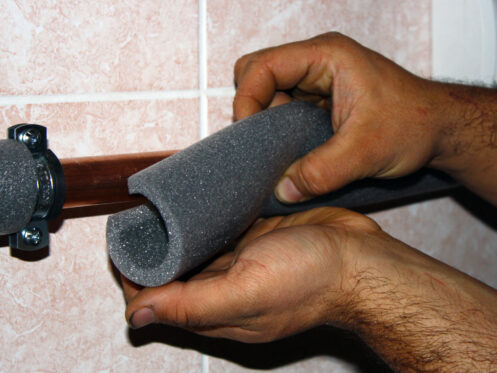
Michigan winters can swing from mild flurries to deep freezes that stick around for weeks, and your plumbing feels those changes long before you do. Exposed lines, aging pipes, and small leaks that seem harmless in the fall can turn into burst pipes, hidden water damage, and surprise repair bills once temperatures drop. At Service Professor, in West Michigan, we help you get ahead of those problems with professional pipe inspections, repairs, and insulation that match your home and your layout.
Know Where Your Vulnerable Pipes Live
Winter prep starts with knowing which parts of your plumbing feel the cold first. Pipes along exterior walls, in unheated basements, crawl spaces, and garages, all sit closer to outside air. Lines that run near drafty windows, rim joists, or garage doors feel even more stressed when the wind picks up. If you are not sure where your pipes travel, a plumber can walk the house with you, trace visible runs, and use past leak history to spot likely weak spots. That kind of walkthrough turns “somewhere in the wall” into a short list of specific areas you can protect.
A professional also looks at how those pipes are supported. Sagging sections, tight bends, or places where pipe rubs against framing can all create wear points that show up during a cold snap. They may point out long stretches of uninsulated pipe in a crawlspace or utility room that you never visit. Once those locations are identified, you can focus on insulation, pipe repairs, and monitoring where they matter most instead of treating every pipe the same.
Why Professional Pipe Inspections Matter in Cold Weather
A detailed pipe inspection does more than spot obvious leaks. In Michigan, a plumber who works through many winters knows where freeze damage tends to start in homes like yours. During an inspection, they look for hairline cracks, old repairs that no longer look solid, weak shutoff valves, and fittings that show early stress. They may use moisture meters or thermal tools to find hidden damp spots behind finished surfaces, which often line up with pipes that already had one close call with freezing.
That visit is also a chance to test shutoffs so you know they will close when you need them. A frozen pipe is stressful enough; a main valve that will not turn or does not seal adds a second problem. By cycling valves, checking packing nuts, and replacing stuck handles, a plumber helps you have real control if a line bursts on a weekend night. The inspection often ends with a clear list of repairs and upgrades, ranked by urgency, so you can plan winter work instead of chasing emergencies in January.
Insulating Pipes, Crawlspaces & Unheated Areas
Pipe insulation sounds simple, yet how it is chosen and installed makes a big difference. A professional looks at pipe material, diameter, location, and exposure before picking insulation type and thickness. Foam sleeves, fiberglass wraps, and specialized products each have their place. In a Michigan crawlspace or unheated basement, the job usually involves more than sliding on foam. Gaps at elbows, tees, and valves need careful sealing so cold air cannot slip through bare spots and target the weakest link.
A plumber or mechanical contractor will also look at the space around the pipes. A wide-open vent in a foundation wall can aim frigid air straight at a main line. Poorly sealed rim joists can let wind wash across the insulated pipe and rob away the protection you paid for. In some homes, heat cable may make sense for high-risk lines, and that work needs the right sizing and electrical support. When insulation and air sealing work as a team, pipes hold a more stable temperature and have a much better chance of staying clear in extreme cold.
Protecting Outdoor Lines, Hose Bibs & Garages
Outdoor plumbing often sets the stage for winter damage that shows up inside later. Garden hoses left on spigots trap water in the body of the faucet. In a deep freeze, that water expands and can split parts behind the wall while the exterior still looks fine. A plumber can replace older hose bibs with frost-resistant models where the structure allows, and can add shutoff valves and drains inside so those lines can be isolated before winter. That way, when a cold front hits, you can close one valve, open the outside tap, and let that branch sit dry until spring.
Garages and outbuildings deserve a close look as well. Utility sinks, washing machine hookups, and hose connections in unheated spaces often sit on thin exterior walls with little insulation. A professional can suggest ways to reroute lines, add insulation, or relocate vulnerable fixtures so they are not sitting in the coldest corner of the building. In some cases, they may recommend modest upgrades to garage insulation or air sealing so lines there share more of the house’s warmth instead of tracking outdoor temperature almost exactly.
Keeping Indoor Plumbing Ready for Deep Freezes
Indoor plumbing can still suffer when severe cold settles in, especially in older Michigan homes with mixed construction styles. Bathrooms that sit above unheated spaces, kitchens on bump-outs, and laundry rooms along exterior walls all carry more risk. During a winterization visit, a plumber can point out which rooms you should watch most closely on the coldest nights. They may suggest simple habits like opening cabinet doors under certain sinks so warm air can reach the pipes, or leaving interior doors open so heat can move between rooms.
Your water heater also plays a part in winter comfort. Colder incoming water makes the heater work harder, and an older tank with heavy mineral buildup can struggle to keep up. Flushing the tank where the design allows, checking the relief valve, and confirming safe venting on gas models help the heater serve you through long stretches of cold weather. A professional can also look at recirculation systems, heat traps, and pipe runs near the heater. They do this to make sure they are not creating hidden cold spots that could surprise you later in the season.
What To Do When Pipes Still Freeze
Even with thoughtful prep, an extreme cold snap can catch any home off guard. If you turn a faucet on and only hear a faint hiss or see a small trickle when other fixtures work fine, a section of that branch may be frozen. In that moment, your first steps should focus on limiting damage. Turn off the water to the affected branch if you know the valve. If you are unsure where the problem sits, shut off the main while you call a licensed plumber. That choice can keep a split pipe from feeding a flood once the ice lets go.
A professional will locate the frozen section, assess whether the pipe is still sound, and use safe methods to warm and repair the line. They will also look for the reason that the section froze in the first place, whether it was a hidden air leak, missing insulation, or a long, exposed run that needs to be rerouted. You can use that visit as a learning moment. Ask which other areas in the house share similar risks and how to protect them before the next cold spell. Each repair, paired with targeted upgrades, makes your plumbing a little more ready for the kind of winter weather Michigan sends most years.
Get Professional Help to Protect Your Plumbing This Winter
Winterizing your plumbing in Michigan is not just about leaving a tap dripping on cold nights; it is about knowing where your pipes run, how they are supported, and which sections need more protection before the deep freeze settles in.
If you are ready to put a real plan behind your cold-weather prep, schedule a winter plumbing visit with Service Professor today.