
 Proudly Serving West Michigan & Mid Michigan
 (616) 207-4097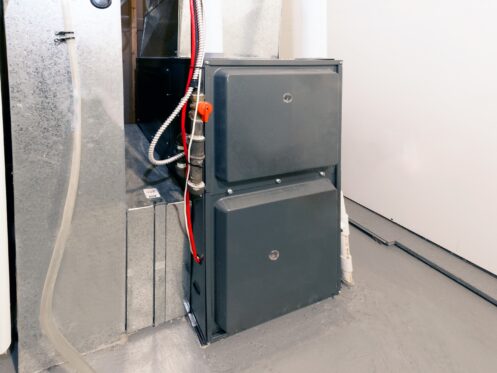
Winters here in West Michigan are often frigid. Between our high latitude and the lake effect snows, the weather can become extreme. So, it follows that homes here need reliable, effective heating systems. If you’re a homeowner in the market for a new heating system, you’ll have plenty to choose from. However, if you’ve only had experience with one type or another, it could lead you to overlook better options. To help, here’s what you need to know about choosing between the viable heating solutions for Michigan homes.
What Are Your Primary Heating Options?
There are three mainstream heating options most West Michigan homeowners typically choose from. The most popular choice is a gas furnace. They’re forced-air systems that rely on relatively inexpensive fuel. However, another option is gaining ground on furnaces as the best heating system in Michigan: heat pumps. For years, heat pumps were a poor fit for cold climates, but recent innovations have changed that. Now, they can, in many cases, be the perfect choice for a West Michigan home.
Finally, boilers account for a significant share of heating systems in West Michigan homes. They’re a common solution in older houses that lack built-in HVAC ductwork. That doesn’t mean they’re outdated, though. Modern boilers typically run on natural gas and boast excellent energy efficiency. When paired with modern radiator designs, or even in-floor hydronic heating mats, they also offer comfort that’s hard to match.
The Pros and Cons of Gas Furnaces
Gas furnaces have significant advantages that explain their popularity. One is their ubiquity. Since they’re so popular, you can find gas furnaces from multiple manufacturers at various price points. That makes them one of the most accessible heating solutions on the market. Another advantage of gas furnaces is their efficiency. Even a basic model boasts 81% efficiency, and high-efficiency models can reach up to 98.5%. When you combine that with the relatively low cost of natural gas, you get inexpensive operating costs.
Another advantage offered by gas furnaces is their high operating temperatures. Here in West Michigan, that’s crucial, since outside temperatures can drop fast. Gas furnaces excel at quickly raising indoor temperatures. And they’re equally effective and efficient in mild weather as they are in frigid weather.
While gas furnaces have many advantages, they also have drawbacks. One is that they have some safety risks. Despite an excellent safety track record, gas furnaces still involve controlled combustion inside your home. That means an ever-present risk of fire, gas leaks, and carbon monoxide. Plus, you’ll also pay for your connection to the natural gas supply grid year-round, even if your furnace is the only appliance using it.
The Pros and Cons of Heat Pumps
If you’re unfamiliar with them, heat pumps are an all-electric HVAC system that’s gaining popularity in West Michigan. Their most significant advantage is simple: unbeatable energy efficiency. Additionally, heat pumps are all-electric, so few homes need major modifications to support one.
Another advantage of owning a heat pump is that it also doubles as a cooling solution. Heat pumps use the same internal mechanism as an air conditioner. They even share a similar form factor, making for easy upgrades in homes with central AC. However, heat pumps have a reversing valve that allows bidirectional operation. So, in the winter, they collect heat energy outside and bring it indoors. In the summer, they do the opposite. This advantage makes the battle of furnaces vs. heat pumps a bit lopsided.
The high efficiency and flexibility of heat pumps come at a price, however. First, there’s the literal price: higher upfront costs. Heat pumps cost more to install than other heating options. If you consider that they also offer cooling, that can offset the cost. Another price you’ll pay for owning a heat pump is year-round reliance on a single system. They require more maintenance and suffer twice as much wear and tear.
The Pros and Cons of Boilers
Finally, boilers are still common for multiple good reasons. One is that they offer a low-cost way to heat homes lacking ductwork. Older homes with preexisting radiators and piping make a natural fit for gas-fired boilers. They’re also one of the quietest heating options available, since they don’t rely on forced air or ductwork. Gas boilers also take up significantly less space than either a gas furnace or a heat pump. In homes where space is at a premium, that’s a significant selling point.
It’s also worth noting that there are gas boilers that can also meet your home’s hot water needs. Known as combi-boilers, they provide on-demand potable hot water and hot water for heating. In that way, they provide functionality you can’t get from a gas furnace or heat pump.
Of course, boilers aren’t a perfect solution. For one thing, they involve running hot water all around your home. The plumbing carrying that water will require maintenance, and leaks can do severe damage to your home. Also, boilers aren’t great at effecting rapid temperature changes in your home. It takes some time for the attached radiators to get hot, after all. However, your radiators will stay hot long after the boiler turns off, so they’re great at maintaining warmth in your home.
Making a Wise Choice
For most homeowners, the choice between the above systems comes down to a few factors. An obvious one is the availability of a natural gas supply. Without that, a gas furnace or a boiler is almost a non-starter. Adding a natural gas supply to a home is a significant expense and will drive up the cost of installing your heating system. If your home already has a natural gas supply, you can move on to the next factor: ductwork availability.
If you have a home with ductwork, a gas furnace or heat pump is a natural fit. Installing ductwork in a house that lacks it is expensive and often complex. Conversely, adding piping and radiators to support a boiler is costly, too. So, your home’s preexisting infrastructure will go a long way toward narrowing your system options.
If your choice comes down to furnaces vs. heat pumps, there are some additional factors to consider. First is your budget. All other things being equal, a new gas furnace will almost always be cheaper up front than a heat pump. However, you may realize greater operational cost savings with a heat pump. So, your decision may come down to your short and long-term financial goals.
Your One-Stop Heating Shop
There’s one part of your heating system replacement decision that isn’t complicated. It’s which contractor to trust for your installation. Service Professor is the leading HVAC company in Grand Rapids, MI. No matter what type of heating system you need, we can supply it. As a Carrier Factory Authorized Dealer, we carry the latest in quality heating systems. We also offer financing options on approved credit to help you afford the system you need and provide maintenance and any necessary repairs to keep it in top shape.
For quality heating installation services in Grand Rapids, contact Service Professor today!